Rachid and Ismail
Voices of Morocco is a storytelling series that highlights the creatives shaping Morocco today. From designers and curators to artists and makers, each feature offers a personal lens into life, place, and process. Through their words, we explore what inspires their work, how they navigate Morocco, and the spaces, rituals, and ideas that continue to influence their craft, both within and beyond their daily practice.
Rachid and Ismail are the founders of Alkamar, a hospitality project set in the Agafay Desert just outside Marrakech. Rooted in simplicity, landscape, and a deeply personal approach to hosting, their work explores how place, design, and Moroccan hospitality can come together to create meaningful experiences grounded in calm, connection, and cultural depth.
We asked Rachid and Ismail to reflect on Morocco, the landscape and values that ground them, and how hospitality, simplicity, and a deep connection to place continue to shape the experience they creates at Alkamar.
How has living in Morocco shaped the way you see the world?
Living in Morocco has taught us patience, humility, and presence. Life here moves at a different rhythm, one that values human connection over urgency. It has helped us reconnect with what truly matters: hospitality, generosity, and time spent together.
What does “home” mean to you in Morocco, especially in a place like Agafay?
Home, for us, is not defined by walls but by feeling. In Agafay, home is the silence of the desert at dawn, the warmth of a fire at night, and the sense of peace that comes from simplicity. It is a place where you feel safe enough to slow down and be yourself.
Is there a specific place in Morocco that feels especially grounding or significant to you?
Agafay itself is deeply grounding. Its rawness, openness, and honesty mirror something very essential. It strips things back. You are faced with nature as it is, without distraction or excess, and that clarity is powerful.
What drew you to Agafay, and what made you choose this landscape as the home for Alkamar?
Agafay is close to Marrakech, Rachid's hometown, yet it feels worlds apart. The landscape is striking, quiet, and strong. We chose Agafay because it invites contemplation and authenticity. It does not compete with you, it holds you.
What does hosting mean to you, and how do you think about creating a sense of calm and belonging for guests?
Hosting, in Moroccan culture, is sacred. It means welcoming someone as if they were family. At Alkamar, calm and belonging come from sincerity, remembering names, anticipating needs, and offering warmth without formality. We want guests to feel seen, not served.
Are there any rituals or moments at Alkamar that you feel are essential to the experience?
Sunset is essential. Everything slows down at that moment, the light, the conversations, the energy. Evenings by the fire are equally important, wrapped in blankets, sharing tea or stories. These simple moments are often the ones guests remember most.
What are your go-to ways to experience Morocco like a local, either in Agafay or beyond?
Eating simply, visiting small souks, sitting in cafés without an agenda, and spending time with artisans. Morocco reveals itself when you stop trying to see everything and instead allow yourself to become part of everyday life.
How has community shown up for you in unexpected ways through building and running the camp?
Community has been everything. Many of our team members come from nearby villages and had no formal hospitality background. Trusting them, growing together, and witnessing their pride has been one of the most rewarding parts of this journey. Alkamar is as much theirs as it is ours.
What have you learned from Moroccan ways of building, crafting, or working with the land?
We have learned respect, for materials, for time, and for nature. Moroccan craftsmanship teaches you that beauty comes from imperfection and patience. You build with the land, not against it.
Is there a material, texture, or detail at Alkamar that feels especially meaningful to you?
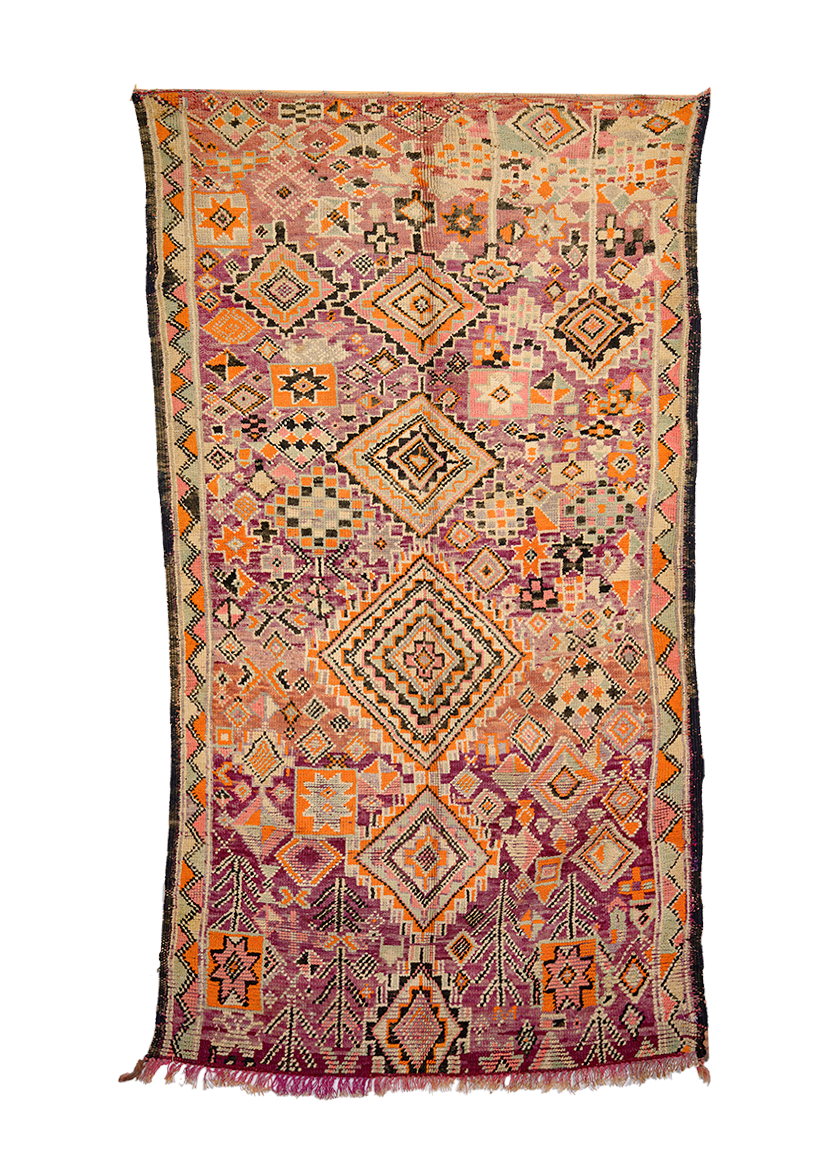
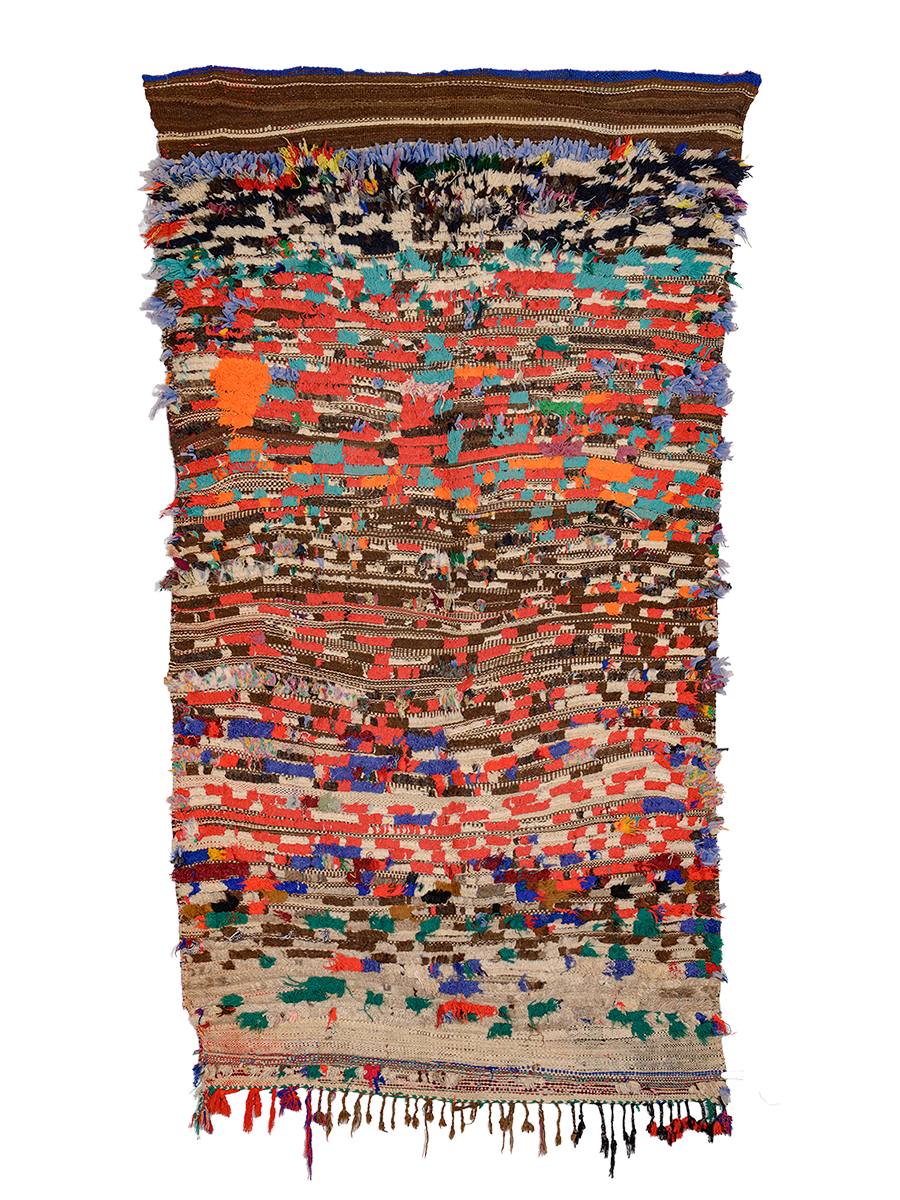
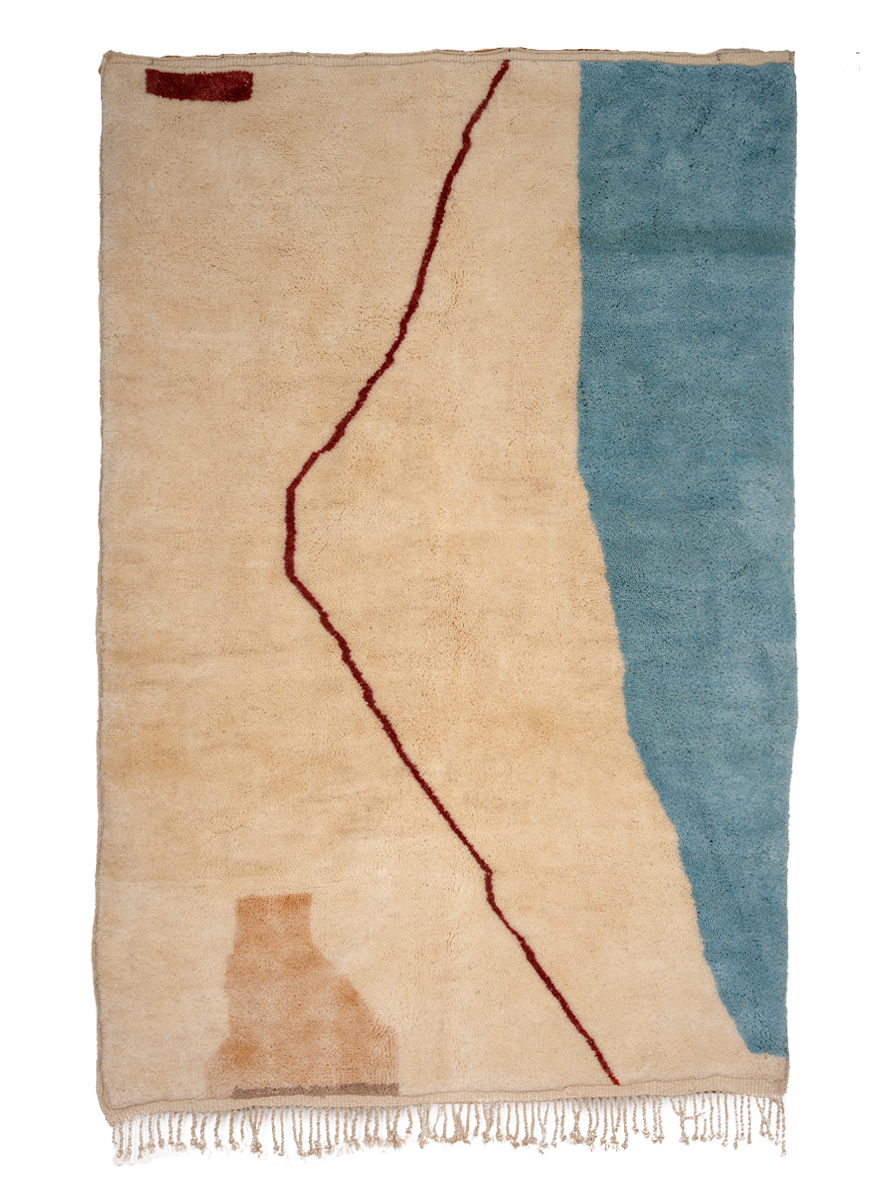
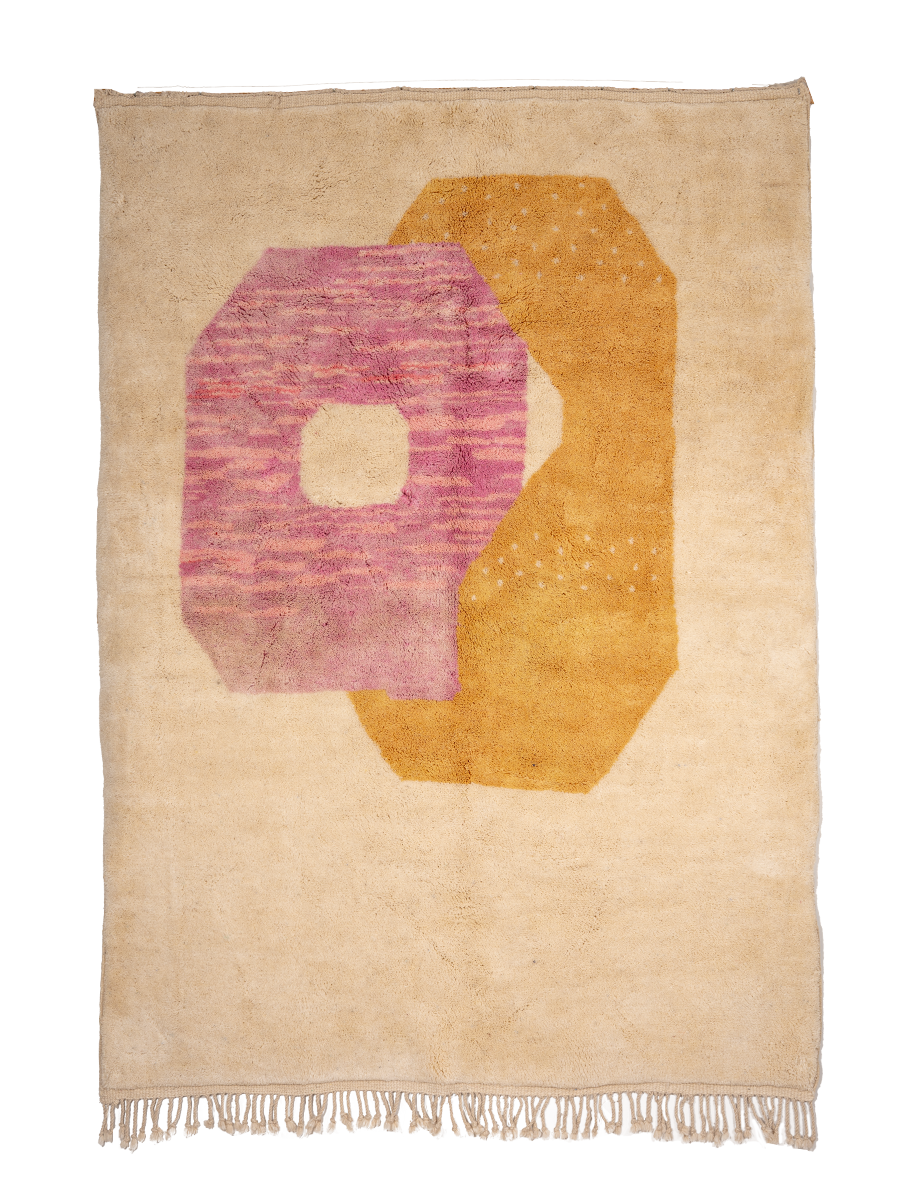
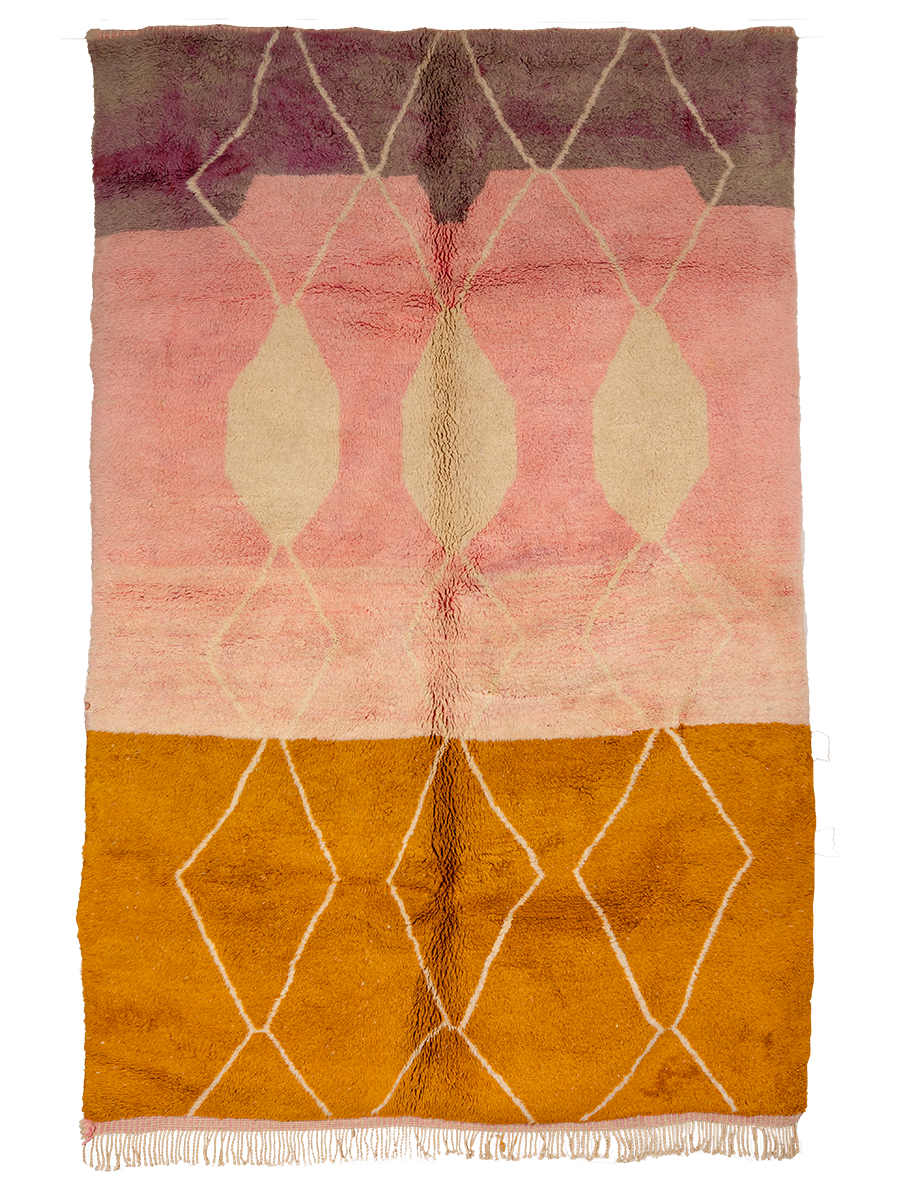
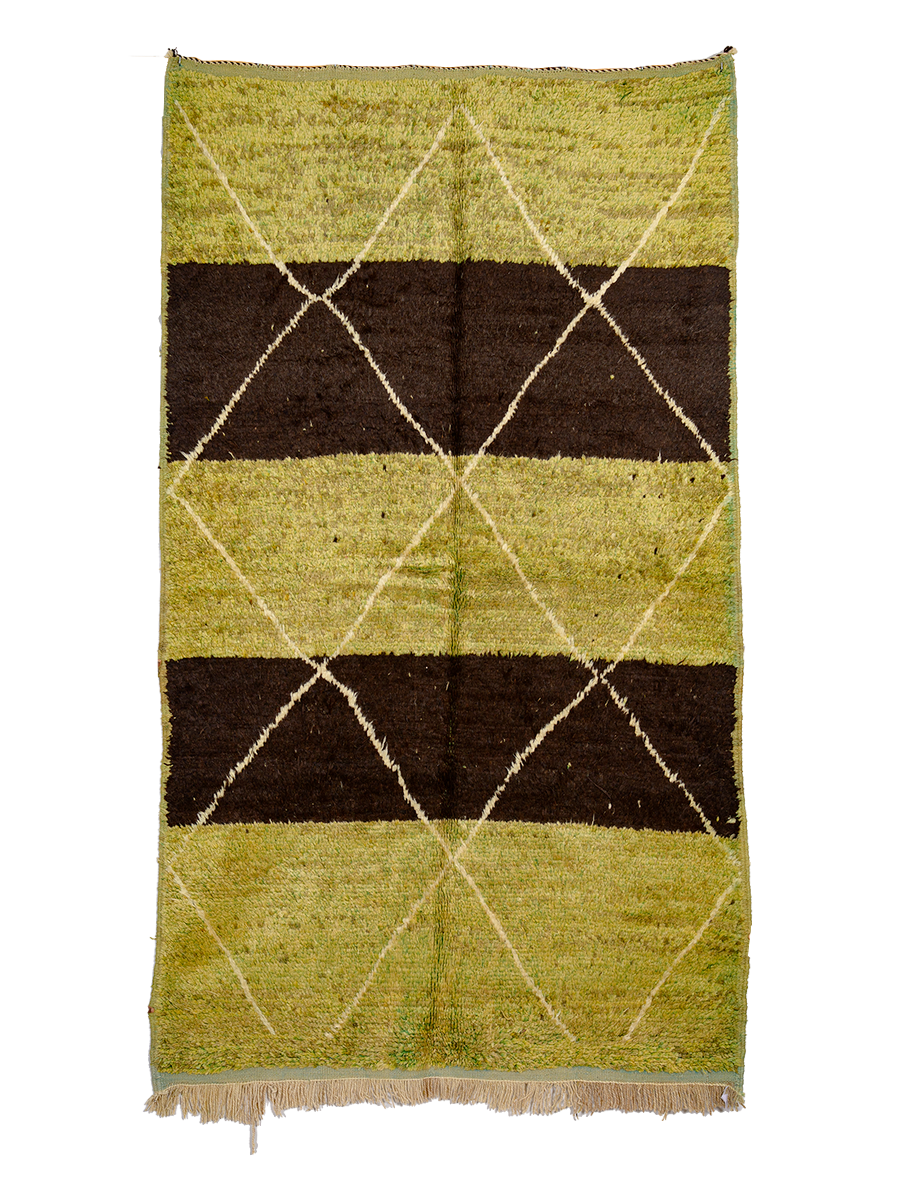
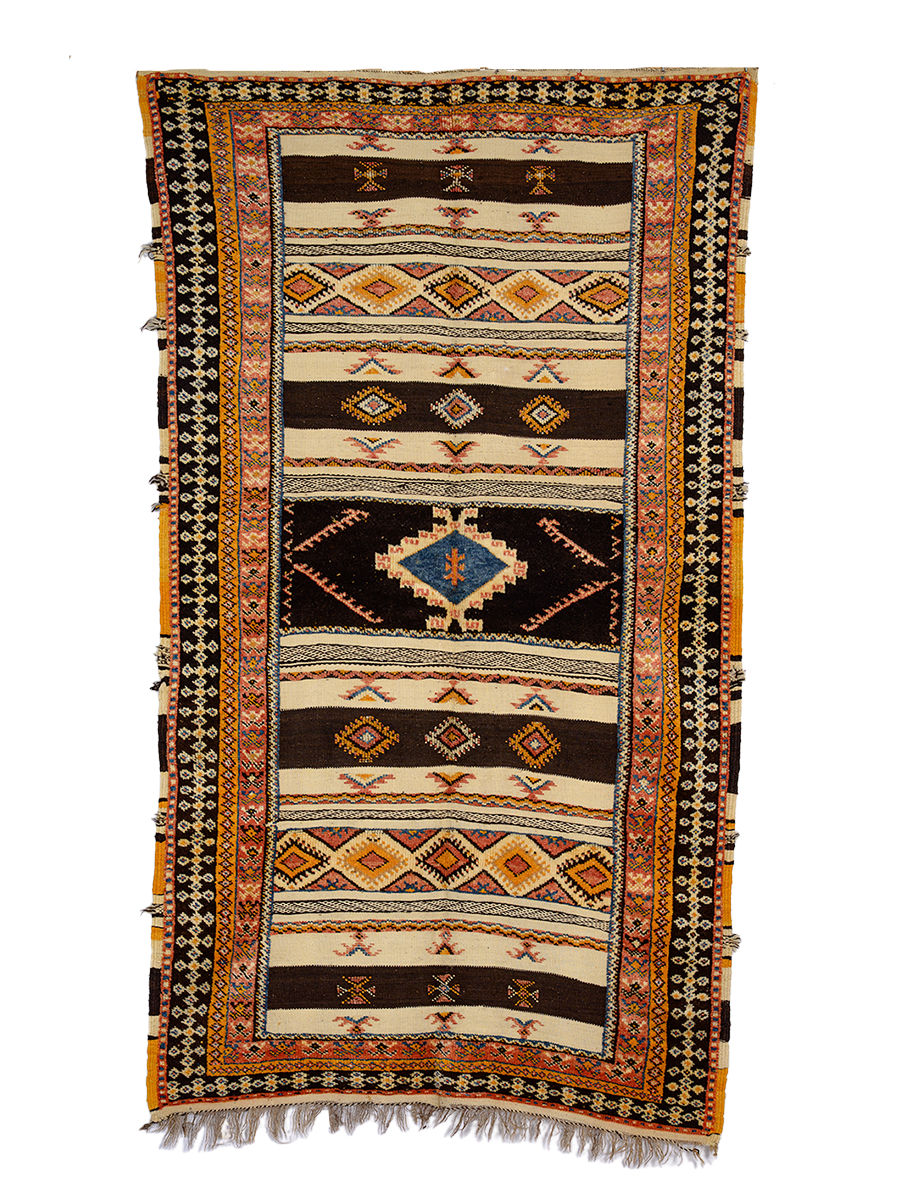
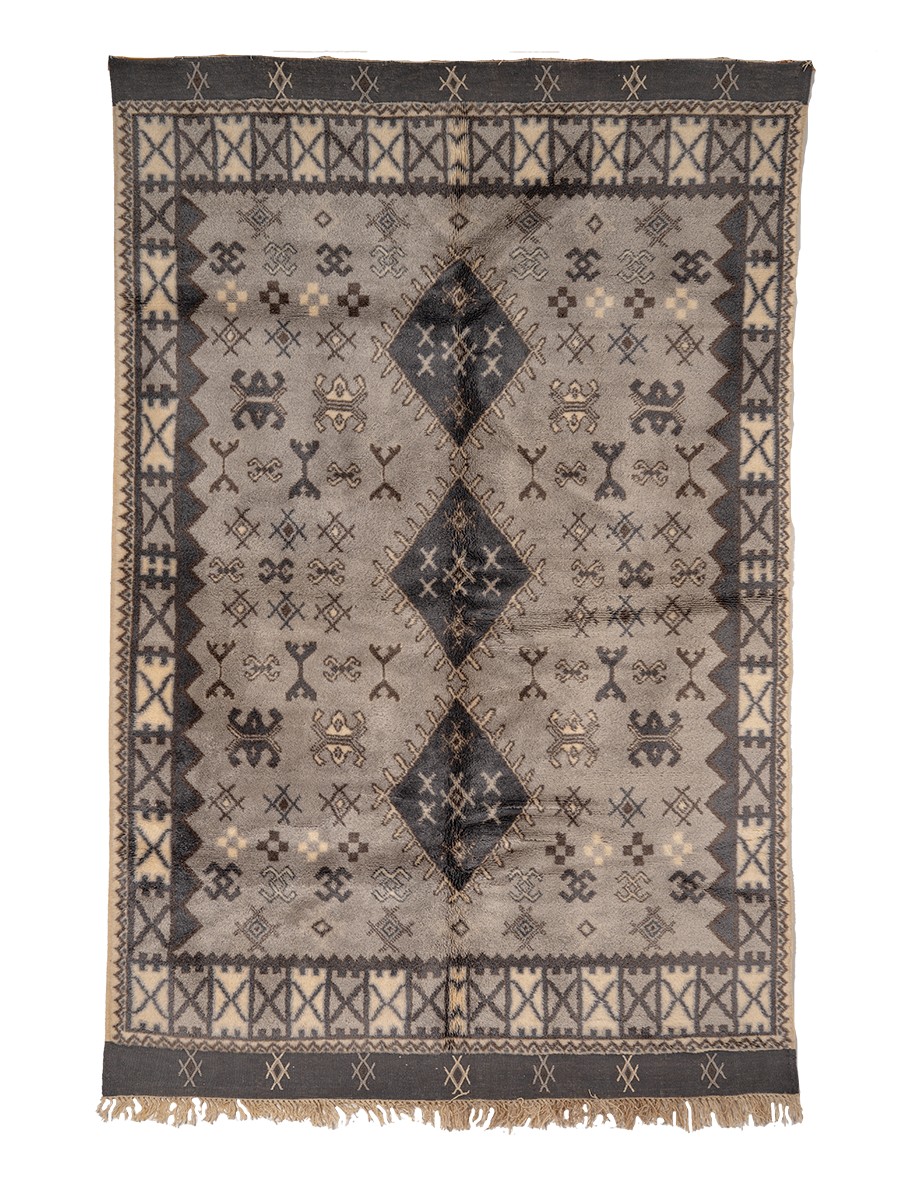
The rugs feel especially meaningful. They are deeply personal, representing memory, heritage, and the presence of human hands at work. Each one carries a story. Nearly all of our décor is handcrafted using natural materials such as wool and other natural fibers, wood, and clay. Our design is intentionally subtle. We find richness in simplicity, and we want the aesthetic to grow more beautiful with time as materials and objects age gracefully.
How do you balance tradition and modern comfort in the way the camp is designed and run?
By constantly asking whether something adds comfort without taking away soul. Modern comfort should support the experience quietly. Tradition gives the place its heart.
What do you hope guests take away from their time at Alkamar, beyond the stay itself?
A sense of calm. A reconnection with themselves. And a deeper understanding of Moroccan hospitality, not as something staged, but as something deeply human.
What do you think people often misunderstand about the Agafay Desert?
Many people think it is empty or harsh. In reality, it is subtle and full of life. Its beauty is quiet, you have to slow down to truly see it. Unlike the Sahara, Agafay is a rocky desert rather than a sea of sand, and its strength lies in its texture, light, and stillness.
Running a place like this is never perfectly polished. Can you share a challenge, learning moment, or ongoing work in progress from building Alkamar?
Learning how to grow without losing intimacy is an ongoing challenge. We are constantly balancing ambition with simplicity, and structure with spontaneity. Alkamar is alive, evolving, adapting, and imperfect, and that imperfection is part of its honesty.
Another ongoing process is learning to work with nature rather than trying to control it. The desert has its own rhythm. Weather, light, silence, and unpredictability all shape daily life here. We have learned to listen, to adjust, and to accept that not everything can or should be engineered.
There is also the human side, building a team, growing skills locally, and allowing people to learn through experience. Progress takes time, patience, trust, and a tolerance for mistakes. But that shared journey is exactly what gives the place its soul.
Thank you, Rachid and Ismail, for sharing your perspective on Morocco, Agafay, and the thoughtful sense of hospitality, calm, and connection that shapes Alkamar. Continue following Alkamar here.
Photography courtesy of Magnus & Mila, @rashakotaiche, Marije Kocken, Studio Aline Friant-Hoste
 Previous Post